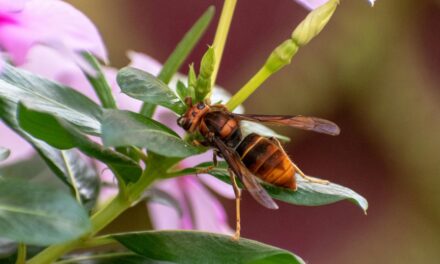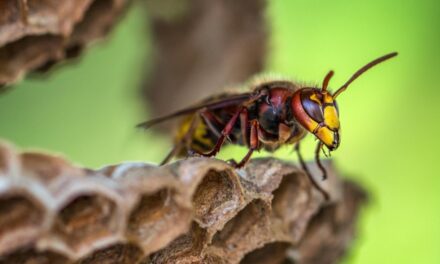

Finding a wasp nest in window frame areas is more common than many people think, as these structures provide a sheltered environment for paper wasps to grow their colonies. Even though paper wasps are beneficial predators that control garden pests and are less aggressive than hornets or yellowjackets, their presence near your property could be a safety concern.
As managing a wasp nest in window frame should be a priority, homeowners need to understand these species’ behavior to select the best removal method. Please consider that if the nest is small and reachable, you could handle it by yourself without major problems, but if you are dealing with larger colonies of hornets or yellowjackets, or someone near the nest has allergies to wasp venom, seeking professional assistance may be the best option.
Safe strategies to remove a wasp nest in window frame
When choosing to remove a wasp nest in window frame you should first determine the colony’s size and nest accessibility. After that, please follow the next four steps to safely remove the nest:
- Nighttime aerosol treatment. According to wasp experts the safest time to apply spray insecticides on the wasp nest in window frame is at night. Research indicates that during these hours most wasps are inside the nest and their activity level is low. Once you are prepared use a botanical spray designed for wasps and saturate the whole nest with the treatment from a safe distance. Avoid standing under the wasp nest as some wasps could fall and still have the chance to sting you.
- Mechanical removal for early nests. If the wasp nest in window frame is at the founding phase and has only one queen, chemical intervention may not be necessary. At the earliest phase, you can simply knock the wasp nest with a broom or long stick. The queen will typically leave the nest and seek for a new location to build a new nest.
- Vacuuming single wasps. Another option for small nests or when dealing with individual foragers, a high-powered vacuum could be effective. Using a vacuum allows you to dispatch wasps without needing to get close the nest. Although you will be at a safe distance, it is always recommended to wear the proper gear, such as veils, long and thick, sleeves, pants and gloves to minimize the risk of getting stung.
- Application of insecticidal dusts. Most of people use sprays to remove wasp nests but as you area dealing with a wasp nest in window frame that is difficult to reach, insecticidal dusts could be a more efficient way to deal with these wasps. Powders derived from tropical lilies, such as Sabadilla dust act as a broad-spectrum poison. Moreover, these dusts can cause paralysis and death as they directly affect the wasp’s nervous system.
Why are insecticidal dusts effective for a wasp nest in window frame?
Using insecticidal dusts on a wasp nest in window frame can offer several advantages compared to the regular liquid sprays. Liquid insecticides may not always penetrate deeply into the hidden gaps of the frame, due to their hexagonal cells. These dusts, however, can be applied to the surfaces where forager wasps crawl, which will ensure that they carry the treatment back into the heart of the colony.
Besides being an effective way to spread the treatment into the whole colony, botanical dusts are fast-acting and safe for humans compared to synthetic chemicals. Sabadilla dust as we mentioned previously could be a perfect option as it doesn’t leave long-term residues.
Pyrethrum powder, however, could also be another option, as it is made from chrysanthemum flowers that break down rapidly in sunlight causing no harm to the environment. When treating a wasp nest in window remember to saturate the whole entrance with the dust to maximize the exposure and ensure more forager wasps will catch the treatment.
When should you hire a professional for a wasp nest in window frame?
Even though a wasp nest in window frame could be relatively easy to manage, there are certain situations that could become dangerous for homeowners to deal on their own. If instead of finding a paper wasp nest you find a hornet or yellowjacket, unless you have the proper experience and confidence is strongly advised to call for professional intervention. Hornets and yellowjackets are more aggressive than paper wasps, and will defend their nests belligerency if disturbed.
Another situation in which professional wasp extermination is recommended is when the wasps have constructed their nest inside your home’s walls or in an inaccessible area of the frame. Attempting to treat an indoor nest without the proper knowledge and specialized tools could disperse the insects into your living area and complicate the infestation. Perhaps most importantly, if anyone in your household has known allergies to wasp venom, it is strongly advised to seek an expert, since a single sting can result in death due to anaphylactic shock.