When you search for “wasp nest extermination,” it may be too late for preventive measures, and you may need to engage a professional immediately. Even though wasps could often be seen as beneficial because they help hunt garden pests, there are some circumstances when you have to be careful. Allowing a colony to grow unchecked could compromise your property and family safety, especially if you are dealing with aggressive wasps, such as hornets or yellowjackets.
Spotting wasp nests early is the key to managing these insects before their population quickly increases to hundreds. Since wasp pest control is a public concern, understanding their early behaviors is the first step to analyze and decide if you need a wasp nest extermination as soon as possible, or if you can tackle the problem on your own. Here are five early signs that you may have a beginning infestation.
What are the early signs of a wasp infestation in your home?
The first thing you need to do is to identify the phase of the nest, as it is easier to deal with nests in their founding phase, rather than mature colonies. The founding phase usually begins in early to late spring after the queen comes out of hibernation. The nest is small, about the size of a tennis ball, and the queen manages most of the tasks.
1. Foundresses sample your home during spring
Once the queen has emerged from their hibernation they’ll start to look for a sheltered location—which could end up being your window frame or roofline. According to the University of Michigan’s research, queens often return to the vicinities of their own natal nests following pheromones to start new nests. If you see this repetitive sampling behavior near your home, it’s a strong indicator that the foundress is assessing your home as a potential site for a new colony.
2. The appearance of tiny, open-faced umbrellas
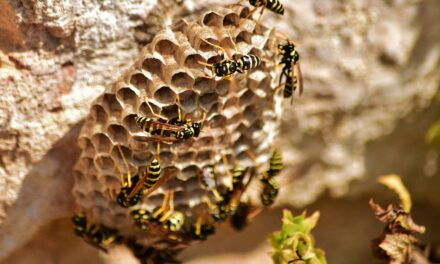
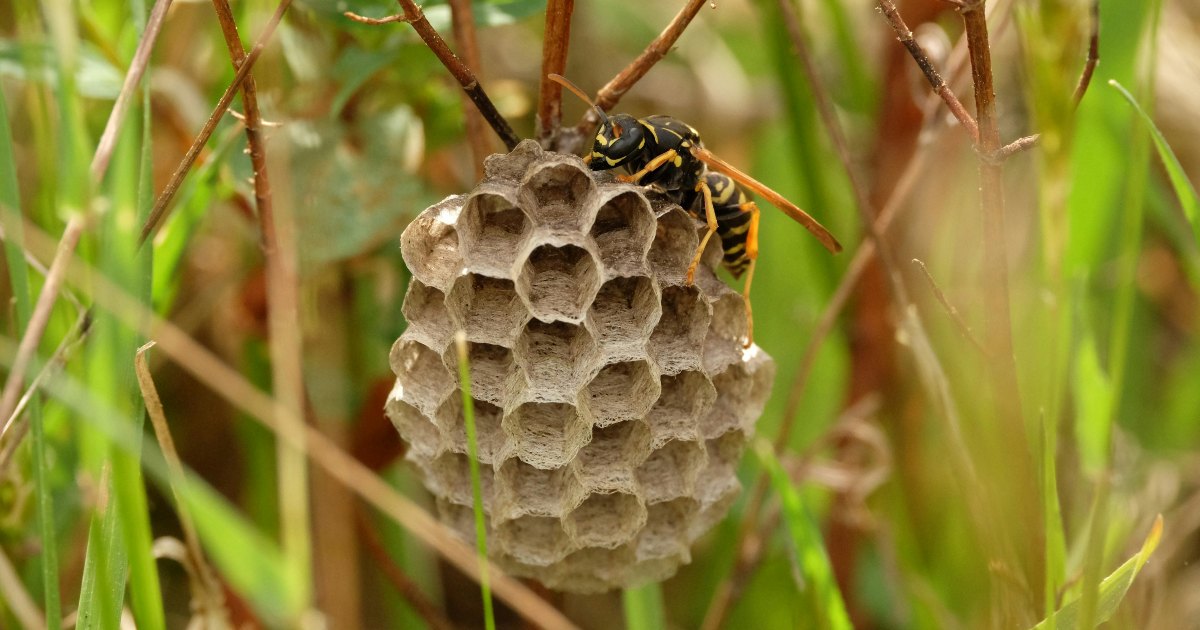
Paper wasps are known for building open-faced nests that look like a small grey umbrella-shaped comb hanging on your door or window frames, porches or even behind shutters. Unlike nests from hornets and yellowjackets, paper wasps nests always leave each cell visible from below.
Finding a tiny comb the size of a coin is the second early sign that you have to be aware of, since it means that a new colony is active. Therefore, dealing with a small nest is easier than waiting until later in the summer when the nest is bigger, surrounded by hundreds of foragers protecting the queen that could become a risk for your safety and the only solution will be a wasp nest extermination.
3. Increased traffic for food and building supplies
When colonies are expanding they have to main needs: food and building materials. Adult wasps are constantly foraging for nectar to fuel themselves, but as they are also elite hunters they capture caterpillars and other insects to feed their developing larvae. Another early sign of infestation is that you will see wasps repeatedly returning to the same spot with preys or carrying bits of chewed wood fiber—which is mixed with their saliva to build the nest. This is a clear sign that wasps are provisioning growing occupants, and is generally a precursor to calling for professional wasp nest extermination.
4. Hearing rhythmic hunger signals
Trusting your sense of hearing is also very important, because you could actually hear a wasp infestation before you get to see the full nest. When wasp larvae are hungry they communicate with foragers using substrate-borne vibrations or rhythmic hunger signals by scraping their mandibles against cell walls to ask for food. If you start to hear this rhythmic signals it might be an alert that a wasp nest is growing larger and may soon require a wasp nest extermination to prevent painful stings.
5. Defensive guarding behavior
If you start to see wasps becoming very agitated and patrolling the entrance of the nest, this could mean that the colony is moving into the worker phase and more adults emerge to protect the nest from potential predators nearby—in larger nests, this is known as the primary line of defense.
So, if you see a wasp staring at and following you when you walk past certain bush, eave or near your property, you are likely dealing with a well-established colony that sees you as a threat and it is a clear sign that if you don’t act fast you will require a wasp nest extermination.
How to prevent a wasp nest extermination?
The best strategy to prevent a wasp nest extermination is to naturally discourage queens to feel attracted to your home, garden or porch so you don’t have to deal with the stress of removing nests later. As the USDA suggests, some simple cultural controls can help you reduce the risk of needing wasp nest extermination.
- Manage attractants: Wasps are highly attracted to sugary waste, so rapidly removing fallen fruit and dispose of garbage around your yard could be essential to avoid wasps tracking the smell they are looking for.
- Seal the entry points: Because queens seek for protected areas to spend the winter, botanical dusts or sprays can be used to eradicate them if they infiltrate your home in the fall.
- Remove pheromones:Wasps track and follow invisible chemical markers to discover good areas for establishing new nests, thus eliminating them is critical. To remove these pheromones, thoroughly clean with soapy water and 70% alcohol.
Remember that early detection is your best defense and the most effective strategy to prevent a wasp nest extermination. From the scrapping sounds of hungry larvae to the appearance of those distinctive umbrella nests, the signals are everywhere if you know where to look. While wasps are fascinating architects and good garden predators, their proximity to your property and loved ones might be dangerous, especially for those who are allergic.