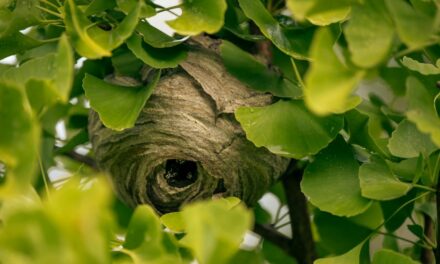
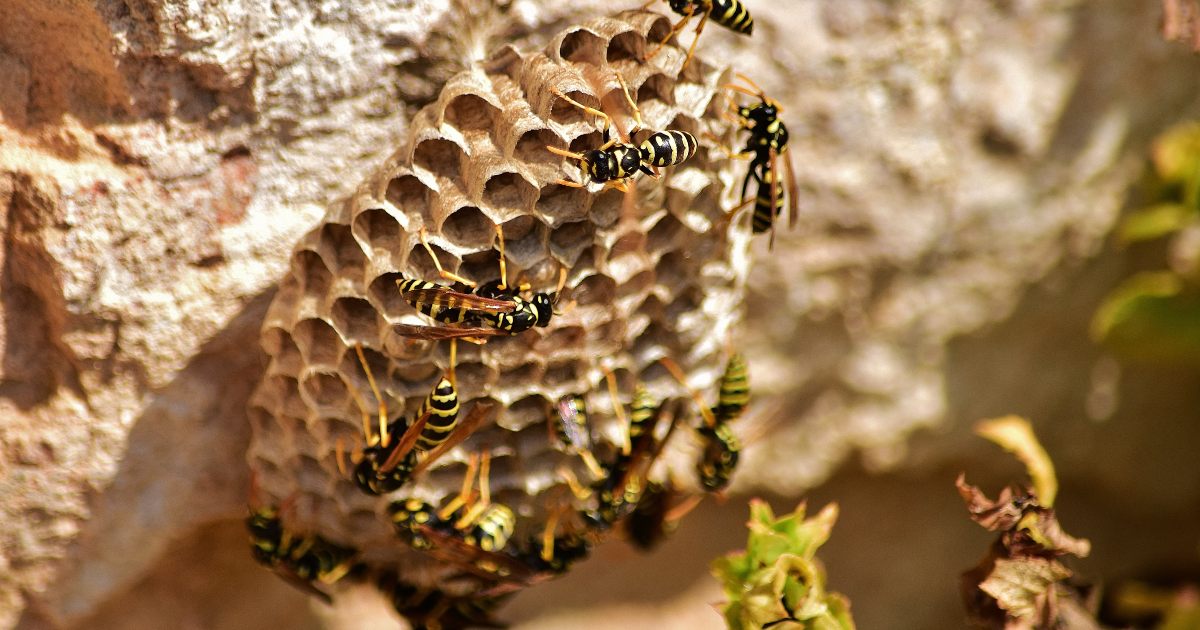
Even though wasps play an important role in the environment as pest controllers, discovering a wasp nest on door frames may not be the ideal way to end the day. The entrance to your home is one of the most important spots and a high-traffic area, so it’s important always to be welcoming and safe.
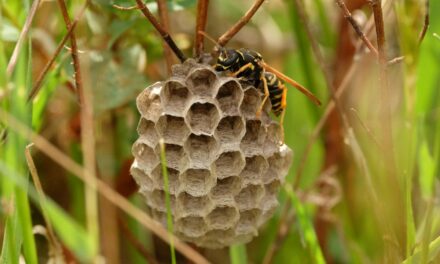
Wasps, particularly paper wasps, are frequently found under eaves and around doorways as these locations provide shelter and enough height to build their paper-pulp nurseries. To avoid a persistent risk of complex infestations and dangerous stings, homeowners are encouraged to use natural alternatives to safely remove their wasp nest on door frames without the need for toxic synthetic sprays.
Since wasps are social insects, they are highly protective of their colonies and can become aggressive to defend their nests if they perceive constant vibrations or if their nests are swatted. For this reason, we would like to share the best botanical dusts they can use for a quick removal.
What are the top tested botanical dusts for door frame nests?
Currently there are several options on the market to deal with wasps, especially botanical sprays that target the nervous system of these insects. However, it could be more effective to use botanical dusts to deal with a wasp nest on door frames, as some wasps could crawl on the door frame and bring the dust treatment into the nest.
Here are three tested botanical dusts that you could use to complement your removal strategy:
- Harris Diatomaceous Earth with powder duster. Harris Diatomaceous Earth, created from fossilized aquatic creatures, is one of the most effective ways to deal with a wasp nest on door frames. This food-grade powder is generally considered safe for human contact enables you to easely spread a fine layer of dust directly into the hexagonal cells of the nest and the cracks of the doorframe.
- Garden Safe Brand with diatomaceous earth. This brand is among the best options due to its long-lasting physical barrier. Compared to liquid botanicals like pyrethrins that quickly degrades in sunlight, Garden Safe could remain active as long as it stays dry. For example, this product will be ideal for sheltered door frames that require a strong deterrent throughout the summer.
- Safer Brand insect killer. Safer Brand can help homeowners apply the botanical dust with ease and precision during the evening when wasps are least active. Due to their open design, paper wasp nests allow dust to readily enter the interior. Additionally, any leftover powder near the doorframe could entice nighttime foragers.
Besides being an easy to use method, these botanical dusts prevent the development of insecticide resistance, ensuring your home’s safety. Moreover, after removing the wasp nest on door areas remember to clean the door frame with alcohol 70% as it has been shown that is the most efficient way to remove wasp pheromones.
Pheromones also known as cuticular hydrocarbons are chemical markers that attract other foundresses or queens looking to build new nests. Also, you can use essential oils or wasp repellents to create natural barriers that discourage wasps to go near your door frame.
Why are botanical dusts the best option for safely removing a wasp nest on door?
Compared to synthetic neurotoxins like organophosphates or carbamates, botanical dusts don’t persist in the environment or cause health issues to humans and pets. As reviewed by a paper in biopesticides research in pest management , the efficacy of mineral-based biopesticides like Diatomaceous Earth erodes the insect’s protective cuticle making them a better and more effective solution to manage a wasp nest on door frames.
What many people ignore is that these dusts efficacy is rooted in a mechanical mode of action. Mineral-based remedies, such as Diatomaceous Earth products, function by physically eroding the wasp’s protective exoskeleton, preventing wasps from developing chemical resistance, which is a typical problem with synthetic sprays. In other words, botanical dusts will rapidly dehydrate wasps until they die without the need of nerve poisons.
Besides its effective mode of action, botanical dusts are highly biodegradable and break down into harmless components within hours or days after sunlight exposure. Furthermore, this botanical approach aligns with Integrated Pest Management (IPM) programs, which prioritize most sustainable and least harmful methods of pest control.
The consequences of ignoring a wasp nest on door frames
Ignoring a wasp nest on door frames could lead to a larger infestation and safety hazards, especially during summer. Social wasps, such as the Northern paper wasp live in colonies that can quickly grow into hundreds of residents, capable of stinging multiple times. So, if you don’t get the nest removed, you’re more likely to get stung, which according to research could be more fatal than scorpions and snakes due to the anaphylactic shock caused by wasp’s venom.
Likewise, leaving a wasp nest on door areas encourages the production of new queens that may overwinter in your home’s siding or attic, leading to more colonies in the long run. For this reason, early intervention using natural methods as botanical dusts could effectively prevent medical and structural complications.