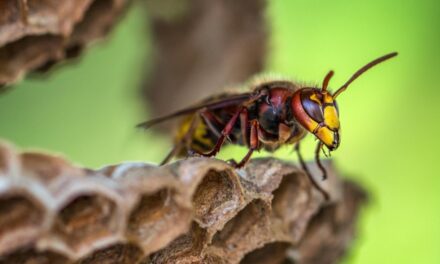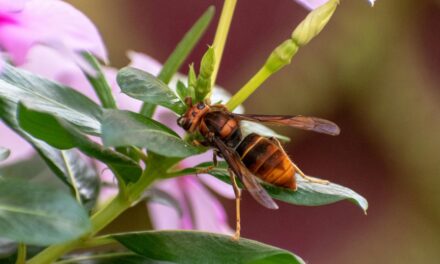

One of the most discouraging things you can discover near summer is a wasp nest in grill. Homeowners might not know, but grills are attractive to paper wasps because they provide a perfect, dry, sheltered spot for their umbrella-shaped nests.
While wasps could be beneficial garden allies that help you control pests like caterpillars, their defensive nature makes them a potential threat if you find one of their nests near your food preparation areas. For this reason, we would like to share some tips that could help people deal with a wasp nest in grill without leaving long-lasting chemical residues on their cooking surfaces.
Effective natural solutions to remove a wasp nest in grill
After confirming that you have a wasp nest in grill, double-check the size and type of wasp you are dealing with, as paper wasps are less aggressive compared to hornets or yellowjackets. If you are facing a small paper wasp nest, the most effective strategy is to act at night when the queen and foragers are less active.
Moreover, it is highly recommended to use botanical pesticides due to their fast results without compromising your family, other beneficial wasps, and the environment. If you have made up your mind about removing the wasp nest in grill, here are the three main products you will need to consider:
Botanical wasp sprays
Despite the regular arguments of synthetics being more effective, botanical sprays are considered the best options for sensitive areas like grills and food areas since they have reduced-risk pesticides. Botanical products normally use essential oil blends, such as clove, rosemary, and peppermint, which target the octopaminergic nervous system in wasps.
This nervous system is classified as a unique biological target that is not shared by humans or other mammals, making it safe to use around them. Targeting wasps with this mode of action provides a rapid knockdown effect, leading to an instant hyperactivity phase, followed by total immobilization, which is critical for preventing wasps to still sting you when you are near the nest.
Because these natural ingredients are often used as food-grade flavoring agents, they are safer to use around cooking areas and food equipment compared to synthetic alternatives that have strong chemicals that don’t break down quickly.
Pyrethrins
Pyrethrins are natural toxins normally extracted from Chrysanthemum daisy’s dried flower buds, and are among the oldest and most wisely used botanical insecticides to help control pests. This extract act as a powerful neurotoxin disrupting the sodium and potassium ion exchange in wasp’s nerve fibers, resulting in immediate paralysis and subsequent death. Besides its fast results, these neurotoxins are a perfect fit for removing a wasp nest in grill due to their high sensitive to UV light and its extremely fast degradation process.
For example, some field investigations show that they lose nearly all of their efficacy after just two hours of exposure to sunshine, resulting in an insignificant chemical residue. Lastly, if you decide to use pyrethrins be aware that they are also safe for mammals thanks to their stomach acids that rapidly break down this extract in case of accidental ingestion.
Wasp repellents
After you have carefully removed the nest and cleaned the area, experts recommend applying a wasp repellent to ensure wasps avoid rebuilding a new wasp nest in grill. Botanical repellents work by releasing aromatic hydrocarbons or volatile terpenoids that irritate wasp’s chemoreceptors, deterring them from initiating new nest on the treated surface as the smell is repulsive to them. Homeowners can use these semiochemicals to change the behavioral response of previous wasps, urging them to pick a new location away from your barbecue.
Why are botanical pesticides safer for food preparation areas?
Synthetic chemicals are not the best option for beneficial wasps, but they aren’t either the best choice for humans or pets due to their persistence and toxicity. Conventional pesticides like carbamates or organophosphates are designed to last for long periods, which means they can leave hazardous residues on your grill grates.
The longer the chemical residues remain, the larger the potential of accidental consumption or exposure, which could result in a chronic health problem for humans. On the other hand, as botanical pesticides are extracted from natural sources which are fully biodegradable. They quickly break down into harmless compounds when exposed to air and sunlight.
This rapid degradation that usually takes place within a few hours after application, ensures that once the wasp nest in grill is gone, you won’t have to deal with a toxic cooking surface. Likewise, botanical insecticides are also safe to use both around other mammals and sensitive areas like kitchens or outdoor food areas, due to their low mammalian toxicity.
How do you stop wasps from returning after a wasp nest in grill removal?
It is important to note that removing a wasp nest in grill is only the first step, but homeowners will also have to prevent new colonies from re-establishing new nests near the affected area. As previously pointed out, wasps rely heavily on chemical communication, leaving certain invisible traces so that other workers can recognize their marks or signatures and return to the same locations to continue building.
As they walk over the nest and surrounding surfaces, workers leave behind footprint pheromones also known as cuticular hydrocarbons. According to The Social Biology of Wasps, these unique chemical markers act as a vital social signal, allowing returning foragers to identify and return to established nest locations. They also help returning foragers locate the entrance and coordinate with others to build the colonies.
After removing the wasp nest in grill, these hidden chemicals remain on the surface, signaling future queens that the location is a suitable area to build a new nest. To avoid this behavior and break the cycle, you must thoroughly clean the area with hot soapy water and vinegar to strip away these trail pheromones. According to studies, 70% alcohol is highly effective for breaking down the old colony’s chemical compounds, but if you’re cleaning a BBQ, be cautious as alcohol is a combustible product.